Why Would I Journal? The True Scientific Benefits of Writing
Randi Marie Mittelberg | OCT 9, 2023
mental health
manifest
mindfulness
journal
journaling
self help
self love
gratitude
prompt
prompts
health
happy
happiness
create
improvement
better life
healthy
healthy lifestyle
natural
natural living
metaphysical
healing
healing journey
connection
community
shadow work
recovery
therapy
yoga
routine
affirmation
affirmations
self care
script
scripting
release
blessing
dream
motivation
inspiration
positive
vibes
frequency
higher
attract
universe
soul
soul work
purpose
safe
safe space
express
expressing
thank you
grateful
work
meditation
appreciation
creation
Just 5 Minutes....
Write 5 things you are thankful for
Write 5 Affirmations
Write 5 Confirmations for Your Day
When I'm having those days that I feel like journaling might just take too much effort, or maybe I've convinced myself that I just DON'T have the time, committing to just these 3 small and simple lists for my journaling still has an extradentary impact.
Journaling as long proven to be a useful and effective tool in many forms.
I always strive to provide evidence based and factual information along with personal experiences of others beside myself. Doctors and professionals such as James Pennebaker provide incredible evidence of how the power of journaling can help to reshape our minds. Even beyond our minds, journaling has helped create a healthier physical body, better relationships and has helped many consistent writers form the life they dream of by achieving goals and accomplishing tasks they set forth.
But I'm sure you came here for a quick overview of how powerful journaling is for a healthy, balanced life - and how science is encouraging you to start today.
Reduce Stress and Anxiety
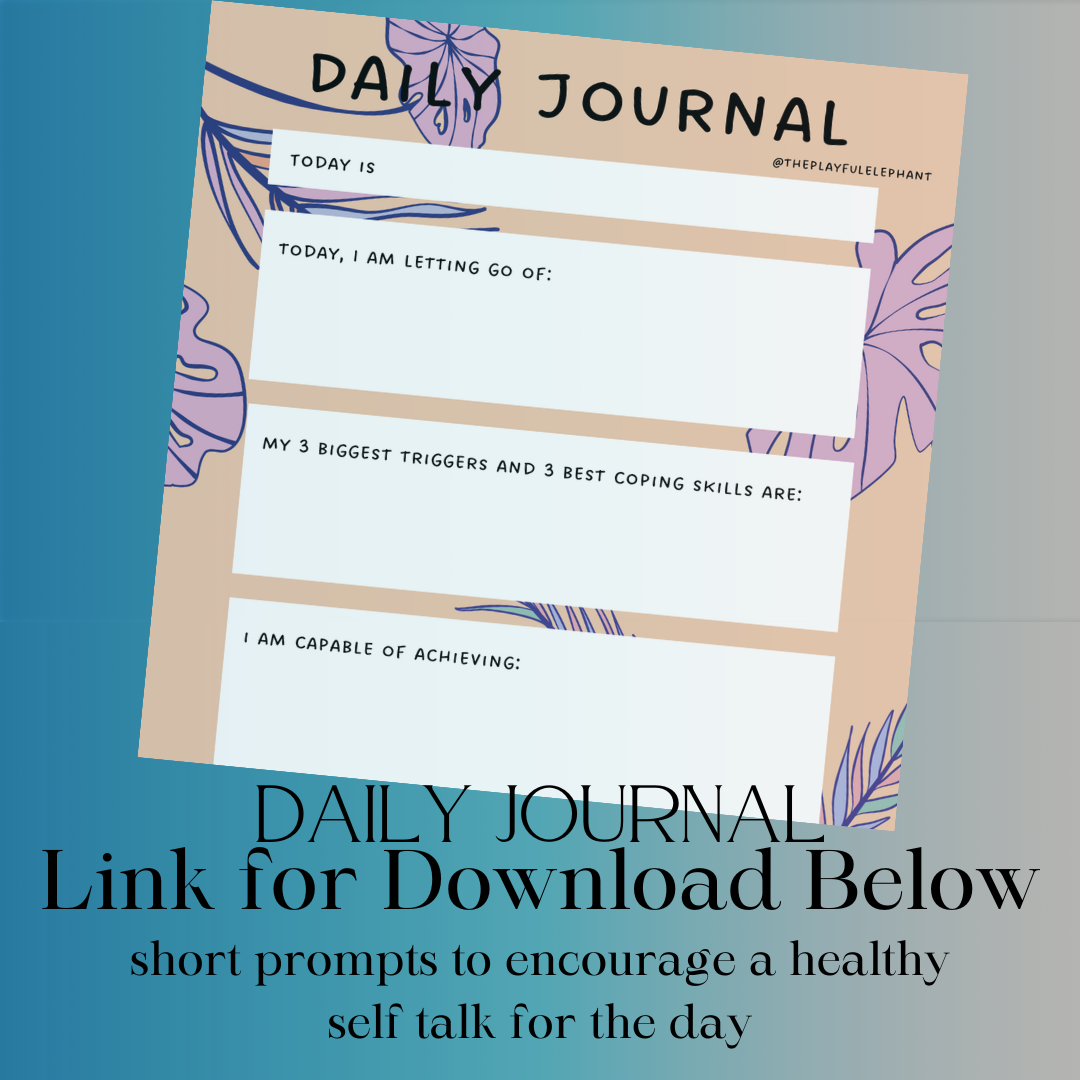
(click here to download my simple daily journal tool)
Journaling is a form of expressing emotions. Negative, hurtful and unhealthy thoughts and emotions easily become a loop stuck on repeat. When we take note of our thoughts and feelings, and even just jot down what is happening in our lives, we begin to feel a sense of control over the situation or emotions. By writing, we begin to better articulate what is happening around us both physically and mentally and can have a clearer overall understanding. We can see what is bothering us, why and how we can cope with, change or bring the causes to an end. We can begin to feel less overwhelmed by the negative and start focusing on positive action. We begin to comprehend a situation with more clarity. Journaling gives you an opportunity to be creative in overcoming and solving problems. You can practice positive self-talk, recognize when and why you may have automatic negative thoughts, and work on cognitive restructuring. These journaling options improve self-confidence. The APA has provided an excellent, informative and in-depth resource for starting this effective CBT (Cognitive Behavioral Therapy) exercise. You can find the free printable guide and workbook here.
Increased Immune Function
One explanation is that journaling is like medicine for your mind and body. Writing down your thoughts and feelings it believed to expose the body to small doses of stress, as you are "reliving" through the situations that have caused the stress or anxiety. This triggers your immune system to produce antibodies, safely boosting, little by little, the body's ability to cope with chemical reactions of stress. These antibodies help you resist infections and diseases and make you stronger and healthier. It is the same concept as vaccines - limited exposure in a safe environment can help build a better immunity to the illness.
Journaling has been proven to help you heal from wounds and injuries. When you write about your traumatic experiences, physical and emotional injuries and expressing what is lying underneath, you are opening an opportunity for the body to physically release toxins and emotions that are trapped in your cells. This greatly aids in restoring healthy blood flow and limiting inflammation, two necessities for healing the body, mind and soul. Working through trauma by writing can stimulate the production of different growth factors to help repair damaged tissue. This article explains this process simply and provides some incredible research done in this specific area. You can also check out the detailed research by Karen A. Baikie and Kay Wilhelm on the process.
In short, expressive journaling is a powerful way to boost your immune function. When you practice writing regularly, you can protect yourself from harmful dysregulation, and recover faster from illnesses and injuries. Writing is not only a healing tool for mind, but also completely beneficial for the physical body.
Gain self-confidence
A beautiful thing you can practice during your journaling is acknowledging your achievements, talents, and qualities. You can express gratitude for what you have and what you have done. Gratitude is another very powerful tool, but that will be another day!
Allow yourself to work through and overcome self-doubt and criticism. Try to challenge those negative thoughts and beliefs by writing them out, exploring how these beliefs came to be, and work on approaching them with different mindsets and attitudes. You can also replace them with positive affirmations and self-compassion.
We will briefly touch on this more next, but you can also more effectively work towards achieving your goals and dreams. When you journal, you can clarify your values, intentions, and motivations. You can also plan your actions and track your progress. By doing so, you can always come back and see how far you have come and all the accomplishments, big and small, that you have made. Having these reminders is a huge boost for our inner critic and self-worth.
Give yourself the opportunity to reflect on who you are and what you want with writing. You can begin to identify your strengths and weaknesses, your successes and failures, your hopes and fears. You can view the changes and growth you have made overtime. Going deeper into your who you are is a sure way to self-acceptance and appreciation.
Develop Better Habits & Achieve Goals
When you use your journal to write down your goals, you can keep better track of your intentions. This will help you stay accountable and serve as a reminder of what you need to do to reach your goals. Be sure to get specific AND realistic.
I always think of it as a creative and free way of planning. Intentional writing is like creating a map for your journey. When you write down your goals, you pin your destinations and plan the route you want to take. You can see where you are, where you want to go, and how far you have come. You can see obstacles, make arrangements for concurring them and find opportunities along the way. Take time to better define and articulate your goals. Journaling specifically about your goals down can help you outline and clearly see what you want to achieve, making it easier to more clearly describe your intentions and make measurable action plans.
Journaling also serves as an accountability tool. You can track your progress, stay focused and even become more motivated to stay the course. A daily check in with your goals is an excellent way to monitor the process and all your achievements, keeping you excited and confident about your pursuits.
Long story short, starting a habit of journaling has been proven to help us heal and succeed. It can definitely be hard to start, especially when so many of us may have to face some deep emotions and truths that we have otherwise been avoiding. Taking your time, being kind to yourself and continuing with the work will quickly become an invaluable tool for overall growth, healing and become triumphant in this journey of life.
If you want to dive deeper, keep an eye out for brand new journal invitations as well as workbooks (coming soon!) for extraordinary possibilities of self-discovery and radical change to achieve your highest self.
Randi Marie Mittelberg | OCT 9, 2023
Share this blog post

Randi Marie Yoga & Wellness
Ready to Connect?
© 2026 Randi Marie Yoga & Wellness